The hidden economy of unwanted items in Britain has quietly transformed into one of the fastest-growing segments of retail. What was once considered charity shop fodder or “hand-me-downs” has become a £7bn market, accounting for one in four fashion transactions in the UK.
It’s not just about old clothes anymore. Furniture, small electronics, and even homeware are now part of this circular economy. London, with its blend of fashion-savvy youth and sustainability-driven shoppers, has become the beating heart of the movement, accounting for roughly 35% of resale apparel transactions.
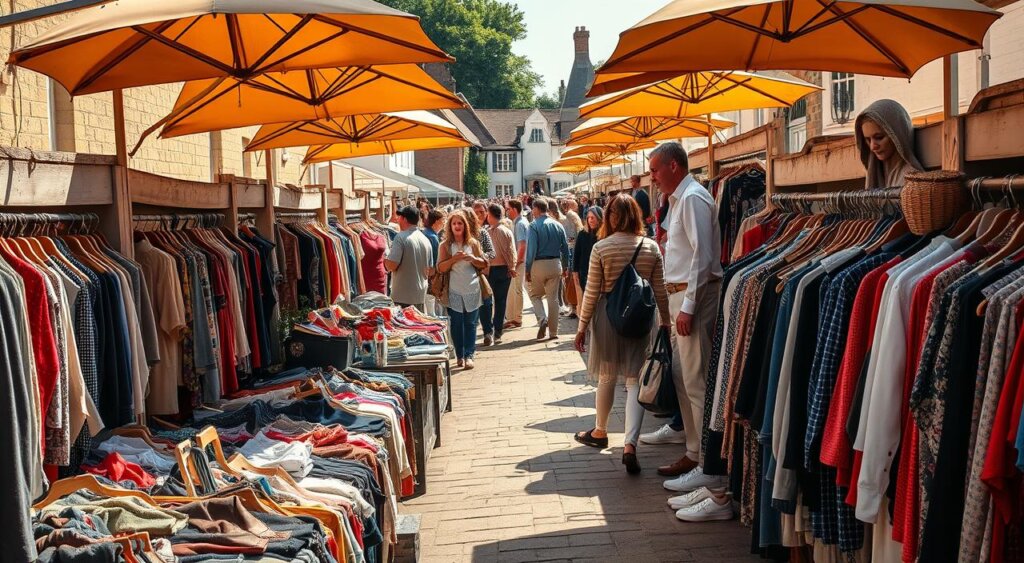
This article explores how resale has shifted from fringe to mainstream, what is driving its growth, and how both consumers and retailers can benefit.
Key Takeaways
- The hidden economy of unwanted items is now worth over £7bn in the UK.
- One in four fashion transactions involves resale, and forecasts suggest 10% of total apparel spending will come from resale by 2029.
- Sustainability, affordability, and individuality are the three core drivers.
- Furniture and electronics are growing fastest outside apparel.
- Retailers are embracing circular models, with AI and provenance tools shaping the next wave of innovation.
From Fringe to Mainstream
For decades, charity shops were the cornerstone of Britain’s secondhand scene. Shoppers browsed rails of mixed-quality clothing, often hunting for bargains rather than unique style. Today, however, the perception has shifted dramatically.
- Curated boutiques present pre-loved clothing as carefully styled collections.
- Marketplaces like Depop and Vinted target Gen Z with polished branding.
- Charity shops modernise by collaborating with brands and improving store design.
Media exposure has played a major role. TV programmes, celebrity collaborations, and influencers on TikTok and Instagram have normalised resale, making it not just acceptable but aspirational.
Case in point: In 2024, more than two-thirds of shoppers under 35 reported buying secondhand clothes. For them, resale isn’t about saving money alone—it’s about individual expression, sustainability, and being part of a cultural shift.
The Size of the UK Resale Economy
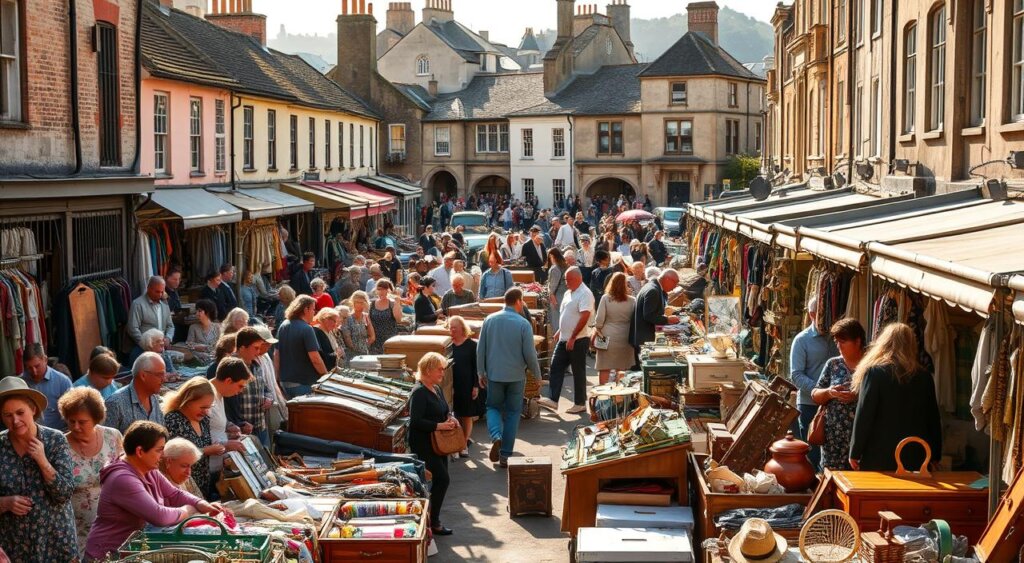
Resale is no longer a side note—it’s a major retail channel.
- Market value exceeds £7bn in 2024.
- About 25% of fashion transactions involve resale.
- UK apparel market growth expected at 9.3% CAGR through 2034, with resale outpacing traditional retail.
Category Breakdown
| Category | Share of Resale | Year-on-Year Change | Retail Implication |
|---|---|---|---|
| Adult Clothing | 43% | -2pp | Focus on sizing, fabric details, return policies |
| Furniture | 21% | +6pp | Invest in refurbishment, local logistics |
| Small Electronics | 21% | +4–5pp | Offer warranties, authenticity checks |
Adult clothing still anchors the market, but furniture and small electronics are growing fastest. This points to a broadening of resale culture: not just about style, but about value, sustainability, and practicality in all areas of consumption.
Why It’s Growing: Sustainability, Savings and Style
1. Sustainability
Consumers increasingly view resale as a way to reduce their environmental footprint.
| Impact | Reduction | Why It Matters |
|---|---|---|
| Carbon emissions | -42% | Fewer new products manufactured |
| Energy use | -42% | Lower lifetime energy demand |
| Water footprint | -53% | Reduced strain on water resources |
Every pre-owned item purchased keeps resources in circulation and reduces demand for virgin materials.
2. Cost and Value
The cost of living crisis is a powerful motivator. In 2024:
- 62% of consumers said rising new clothing prices pushed them towards resale.
- 56% of younger buyers said they now check resale platforms before buying new.
3. Style and Scarcity
Resale delivers individuality. Vintage finds, discontinued brands, and rare designer items make secondhand a treasure-hunting experience. Scarcity builds loyalty—buyers return often to discover what’s new.
Channels Driving the Movement
| Channel | Best For | Logistics Model |
|---|---|---|
| Online Marketplaces | Fashion, small goods | Courier + app-based postage |
| Charity Shops | Clothing, collectibles | In-store donations & sales |
| Furniture Markets | Bulky items, antiques | Local pickup / flexible delivery |
Online marketplaces dominate in scale, making it easy to browse, filter, and ship goods nationwide. Apps like Vinted integrate postage options, simplifying sales for casual sellers.
Charity shops, however, remain vital. They build community, provide affordable goods, and offer a trusted in-person shopping experience.
Furniture resale often requires local collection, but platforms like Facebook Marketplace and Gumtree are popular for bulky items.
The Retail Playbook: Brands Enter Resale
Retailers increasingly view resale not as competition but as opportunity.
- River Island x Reskinned: extends garment life through take-back schemes.
- Gucci x The RealReal: luxury resale under brand governance.
- John Lewis: integrates resale into ESG goals.
Benefits:
- Revenue recovery: turn returns into profit.
- Customer retention: resale channels build loyalty.
- Trust: authenticity checks reduce returns and strengthen reputation.
Resale is now part of the circular retail model, where products flow through multiple lives under brand oversight.
Generational Shifts and Consumer Behaviour
Different age groups shape resale differently:
- Gen Z: digital-first, driving fashion and electronics resale.
- Millennials: sustainability-conscious, mixing online platforms with charity shop visits.
- Baby Boomers: lead in furniture and local resale, often valuing community connections.
This diversity means resale spans every demographic—each with unique preferences that retailers can target.
Technology: AI, Authentication and Provenance
Technology is making resale as seamless and trusted as buying new.
- AI personalisation: matching buyers with items that fit size, style, and budget.
- Blockchain provenance: authenticity tags for luxury resale.
- Automated intake: scanning and grading tools that speed up listing.
- Repair add-ons: cleaning, tailoring, or warranties that lift order values.
Forecasts show the global resale market could reach \$350bn by 2027 and nearly \$370bn by 2029.
Challenges Facing the Resale Economy

While growing fast, resale faces challenges:
- Authentication: fake goods damage trust.
- Logistics: bulky items require efficient pickup systems.
- Greenwashing risk: brands must prove sustainability claims with data.
- Consumer perception: some buyers still see resale as “less desirable.”
Addressing these challenges will determine whether the hidden economy of unwanted items remains a side-stream or cements itself as a retail cornerstone.
Conclusion
The hidden economy of unwanted items is no longer hidden—it’s an essential pillar of modern retail. With a market value above £7bn, it spans clothing, furniture, and electronics, offering consumers affordability and uniqueness while helping brands meet sustainability targets.
Growth is driven by three forces: sustainability, savings, and style. Retailers are adapting with circular business models, authentication systems, and AI-led personalisation. London leads the way, but communities across Britain are embracing resale as both an economic and cultural norm.
As the market matures, the next decade will see resale become indistinguishable from traditional retail. What was once unwanted is now the foundation of a smarter, greener economy.




 call now