Millennials prefer experiences over possessions — a cultural and economic shift now defining how people in the UK spend, connect, and find meaning. Born between 1981 and 1996, this generation values travel, dining, wellness, and cultural events over accumulating objects. They were the first digitally fluent group, with over 94% owning a smartphone, and their choices influence commerce, housing, and leisure in real time.

As their wealth has risen since 2020, their purchasing habits highlight a structural change. Material goods such as cars, clothes, or luxury items no longer hold the same appeal as moments that can be shared, remembered, and posted online. This article explores the top five reasons behind this transformation, what it means for businesses, and how UK brands can adapt.
Many millennials embrace minimalism to reduce clutter at home. Services like mattress removal in London make it easier to create space for meaningful experiences instead of old possessions.
Key Takeaways
- Millennials prefer experiences over possessions because experiences offer connection, identity, and low-clutter living.
- Smartphones, streaming, and social platforms drive fast discovery and booking.
- Climate concerns and values of authenticity, fairness, and inclusion influence choices.
- Flexible payments and mobile-first booking make experiences easier to access.
- Brands must deliver rapid, personalised service and design their products as experiences.
1. Why Millennials Prefer Experiences Over Possessions in the UK
Across the UK, surveys show that nearly 60% of millennials would pick an outing or event over buying a desirable product. This preference reflects a generational mindset that values moments more than material goods.
Main drivers of this trend:
- Digital convenience – Apps and mobile-first websites compress discovery and purchase into minutes.
- Cultural influence – Social media highlights exhibitions, festivals, and food pop-ups as must-do experiences.
- Sustainability – Climate change pushes millennials toward low-impact, meaningful choices.
- Post-pandemic habits – Cashless payments and flexible cancellations have become standard.
This shift has restructured markets, forcing retailers, travel companies, and cultural venues to design their offerings as experiences rather than transactions.
2. Experiences That Resonate Most With Millennials

Not all experiences carry equal weight. Millennials seek activities that balance novelty, affordability, sustainability, and shareability.
| Experience Type | Why It Wins | Sustainability Note | Booking Ease |
|---|---|---|---|
| Weekend breaks | Recharge, shareable memories | Local travel reduces footprint | Mobile booking, instant confirmation |
| Immersive exhibitions | Social media reach, participation | Often staged in single urban sites | Timed tickets, flexible refunds |
| Street food & pop-ups | Novelty, community buzz | Supports local suppliers | Walk-in friendly, simple RSVP |
| Festivals & live gigs | Shared memories, learning | Organisers adopting green practices | Contactless pay, app-based schedules |
These examples demonstrate why millennials prefer experiences over possessions — outings are easier to share, need no storage, and align with values of sustainability and community.
3. Comparing Millennials With Previous Generations
Today’s millennials (aged 28–43) live differently from baby boomers and Gen X. Their education, housing, and work patterns drive the preference for experiences.
| Trait | Millennials (28–43 yrs) | Previous Generations |
|---|---|---|
| Education | ~40% hold a degree | Lower degree rates |
| Home ownership | Lower at same ages, longer renting | Higher historically |
| Workforce role | Majority of UK jobs | Smaller share earlier |
| Life milestones | Later marriage & parenthood | Earlier milestones |
Because home ownership and traditional milestones are delayed, millennials have a longer window of life where travel, dining, and experiences dominate spending priorities.
4. Lifestyle Values Driving the Shift
The millennial mindset explains why this generation spends less on things and more on activities.
- Minimalism and low clutter – Renting and smaller flats discourage accumulation.
- Fairness and inclusion – Ethical brands with transparent supply chains build loyalty.
- Wellbeing – Mental health, fitness, and retreats become top spending categories.
- Identity – Millennials define themselves more by what they do than by what they own.
In short, millennials prefer experiences over possessions because activities align better with their values and identities.
5. Economic and Social Factors Behind the Trend
Millennials entered the workforce during the Great Recession, which shaped how they perceive risk and ownership. High housing costs and inflation further push them to prioritise value-per-pound over permanent purchases.
Economic realities
- Experiences feel like better value — they deliver connection, memory, and shareability.
- Flexible payments — BNPL and digital wallets spread the cost of events and trips.
- Creator culture — Platforms reward photogenic events that double as identity signals.
| Factor | Effect on Millennials | Brand Opportunity |
|---|---|---|
| Economic pressure | Prioritise perceived value | Bundle utility with uniqueness |
| Social media culture | Experiences double as online identity | Design for short video and sharing |
| Discovery speed | From idea to booking in minutes | Optimise mobile-first presence |
Spending Patterns and Payment Habits
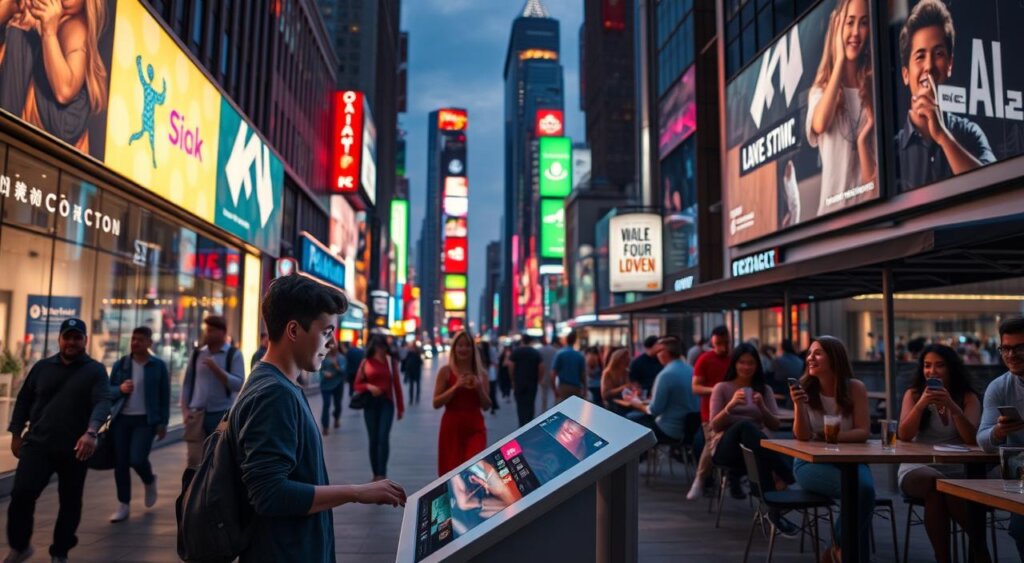
Millennials allocate budgets toward experiences more than any other group.
| Category | Why It Wins | Payment Habits |
|---|---|---|
| Short trips | Recharge, social sharing | BNPL, digital wallets |
| Dining & pop-ups | Novelty, social connection | Mobile pay, contactless |
| Subscriptions | Predictable, personalised | App billing or recurring cards |
| Wellness services | Fitness and mental health | Pay-as-you-go or packages |
The rise of wellness and fitness services shows that millennials treat self-care as a recurring experience, not a one-off purchase.
Media, Music, and Technology’s Role
Technology fuels this experience economy. With over 95% of millennials owning smartphones, discovery and booking happen instantly.
- Streaming & CTV inspire ideas on big screens.
- Podcasts & Spotify build anticipation for events.
- Social media creators amplify immersive, photogenic activities.
| Channel | Strength | Best Use |
|---|---|---|
| Mobile streaming | Instant discovery | Short promos, ticket links |
| Connected TV | High attention span | Event trailers, brand films |
| Podcasts & music | Intimate reach, daily engagement | Pre/post-event storytelling |
This explains why millennials prefer experiences over possessions — technology makes events more accessible, personalised, and easy to share.
What UK Brands Should Do Next
For UK businesses, adapting to this preference is essential.
A Playbook for Success
- Lead with values – Highlight sustainability, inclusion, and transparency.
- Offer sustainable solutions – From green packaging to eco-travel.
- Deliver rapid service – Aim for under four-hour responses on social and chat.
- Design services as experiences – Create exclusives, previews, and perks.
- Use context-aware marketing – Match audio, video, and social content to the channel.
| Action | Benefit | Best Channel |
|---|---|---|
| Values-led sourcing | Builds trust and loyalty | Site content, email campaigns |
| Fast responses | Higher conversion rates | Social, chat, email |
| Sustainable options | Clearer climate-friendly choices | Product pages, booking flows |
| Exclusives & previews | Drive anticipation and community feel | Instagram, TikTok, YouTube |
Internal and External Links
- ✅ Internal link suggestion:
Before creating more room for meaningful experiences, many homeowners use house clearance services in London to simplify their living space.
- ✅ External link suggestion:
For deeper insights into consumer behaviour, see the Office for National Statistics for UK spending trend data.
Conclusion
Millennials prefer experiences over possessions because experiences bring connection, identity, and memories in ways material goods cannot. With rising education, delayed milestones, and strong digital habits, this generation values travel, dining, festivals, wellness, and cultural outings far more than another new product.
For brands, the lesson is clear:
- Package services as shareable experiences.
- Prove your values and sustainability commitments.
- Reduce friction with mobile-first booking and flexible payments.
By adapting to this shift, businesses can turn millennial spending habits into loyalty and long-term growth.
In short, this generation is redefining value itself — proving once again why millennials prefer experiences over possessions.




 call now