Discovering that your mattress has been infested with bed bugs can be one of the most unsettling experiences for any homeowner. These resilient pests are not only difficult to eliminate but can spread rapidly across your property if not handled correctly. Understanding the right approach to bed bug mattress disposal is key to protecting your health, keeping your home pest-free, and complying with UK waste regulations.
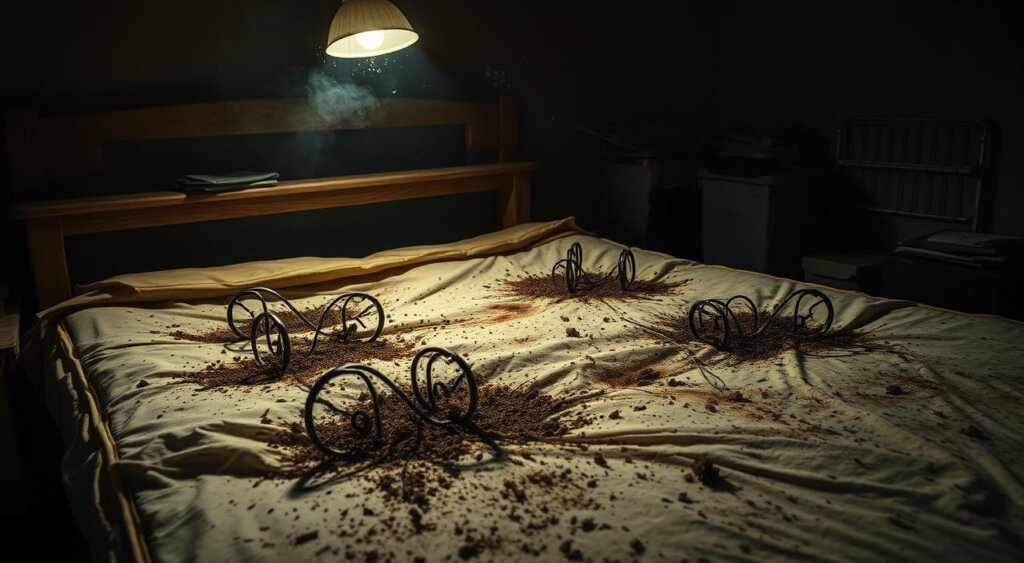
This guide explains every stage of the process — from identifying infestations to safely removing and replacing the affected mattress. You’ll also learn why professional disposal services are the most effective and environmentally responsible choice.
Key Takeaways
- Early detection and containment are essential to stop bed bugs from spreading.
- Use protective gear and proper wrapping before moving an infested mattress.
- DIY disposal poses health and contamination risks.
- Professional services ensure safe, compliant, and eco-friendly removal.
- Cleaning and sanitising the area prevents reinfestation.
Recognising Bed Bug Infestations in Mattresses
Bed bugs are small, reddish-brown insects roughly the size of an apple seed. They thrive in warm environments and feed exclusively on blood, often hiding in mattresses, bed frames, and upholstered furniture.
Common Warning Signs
- Tiny dark or rust-coloured spots (dried blood or faecal matter) on sheets and seams.
- Sweet, musty odour near sleeping areas.
- Red, itchy bite marks appearing in lines or clusters on the body.
- Visible insects or tiny white eggs in mattress creases.
Even the cleanest homes can be affected. These pests are expert hitchhikers, often entering via luggage, second-hand furniture, or even visitors.
Containment: Stopping the Spread Before Disposal
Once you’ve confirmed an infestation, immediate containment is critical. The goal is to isolate the mattress so that bed bugs cannot spread to other rooms or belongings.
Safety Gear and Preparation
Wear long sleeves, gloves, and closed shoes to avoid direct contact. Consider using disposable overalls and a mask for additional protection. Before moving the mattress:
- Seal all bedding and soft furnishings in plastic bags.
- Declutter the area to reduce hiding spots.
- Prepare heavy-duty plastic sheeting or purpose-made mattress removal bags.
Proper Wrapping and Labelling
Encasing the mattress securely prevents insects from escaping during removal. Use 250-gauge polythene bags or purpose-made mattress covers, which are available from hardware or cleaning suppliers. Once wrapped, seal all openings with strong tape.
Clearly label the item as “INFESTED – DO NOT REUSE.” This prevents accidental reuse or resale and ensures that waste collectors treat the item appropriately.
Choosing the Right Bed Bug Mattress Disposal Method
When it comes to disposal, homeowners generally have three main options: DIY transport, council collection, or professional clearance. Each has advantages and limitations.
| Method | Cost | Speed | Risk Level |
|---|---|---|---|
| DIY Tip Drop-Off | Free | Same Day | High |
| Council Collection | Low | 1–3 Weeks | Medium |
| Professional Removal | Service Fee | 24–48 Hours | Low |
DIY drop-offs are risky because moving an unsealed or poorly wrapped mattress can spread bed bugs to your car or public areas.
Council services are affordable but slow — and some councils won’t accept infested items unless properly wrapped. Check your borough’s waste policy via the London Council waste guidance.
Professional removal offers the safest and fastest solution. Certified waste carriers collect and dispose of contaminated materials under environmental regulations, saving you stress and potential fines.
Why Professional Disposal Is Worth It
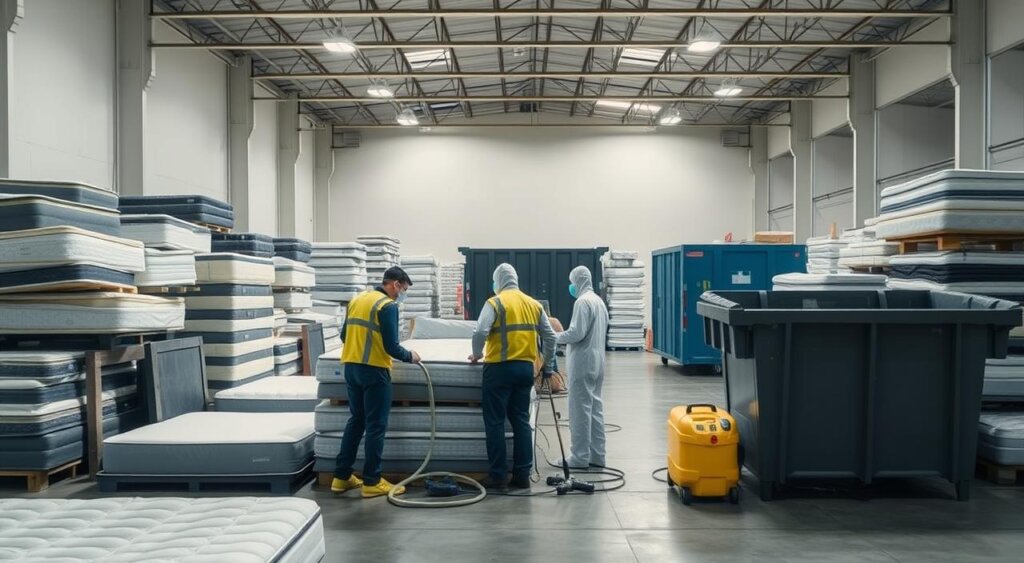
Licensed clearance companies provide both expertise and reassurance. Their teams are trained to handle pest-infested waste using sealed transport, ensuring no further contamination occurs.
Main Benefits
- Health & Safety: Technicians wear PPE and follow pest-control hygiene standards.
- Compliance: Waste is processed under the UK Environmental Protection Act 1990.
- Speed & Convenience: Appointments within 24 hours, with full documentation provided.
- Eco-Friendly Disposal: Mattresses are dismantled for recycling where possible, reducing landfill waste.
Preparing Your Home Before the Mattress Is Collected

Cleaning your sleeping area before and after mattress removal ensures no surviving insects remain. Follow these key steps:
- Wash all bedding at ≥ 60 °C and dry on high heat.
- Vacuum thoroughly, focusing on mattress seams, skirting boards, and furniture joints.
- Dispose of vacuum contents immediately in sealed plastic bags.
- Inspect bed frames, headboards, and upholstered furniture.
- Treat non-washable items (e.g., shoes, stuffed toys) by freezing at –16 °C overnight.
| Item Type | Treatment Method | Temperature | Precaution |
|---|---|---|---|
| Bedding & Linens | Hot wash & tumble dry | ≥ 60 °C | Use dissolvable bags |
| Upholstery & Curtains | Steam cleaning | N/A | Avoid chemical sprays |
| Delicate Items | Freezer treatment | –16 °C overnight | Seal before freezing |
Avoid bringing new furniture or bedding into the room until a pest control professional confirms that the area is clear.
Understanding Costs of Bed Bug Treatments
Disposal is only part of the solution — your property must also be treated to prevent reinfestation. Prices vary by treatment method and home size.
- Insecticide treatment: from £160 + VAT for a 3-bedroom property.
- Two-stage spray with monitoring: from £280 + VAT with 30-day guarantee.
- Steam or heat treatment: from £710 + VAT, offering complete eradication.
While professional services cost more upfront, they prevent recurring infestations — saving hundreds in the long run. Always request a written quotation and confirm that the company holds a valid waste carrier license.
Legal and Environmental Considerations
Dumping an infested mattress on the street is illegal under the Environmental Protection Act. Offenders can face fines of up to £50,000 or prosecution. Always use licensed carriers and obtain a waste transfer note for your records.
The environmental aspect is equally important. Recycling parts such as metal springs and foam reduces landfill volume and helps create a circular economy. Many eco-friendly services now ensure over 90% of mattress materials are recycled or repurposed.
Preventing Future Infestations
Once you’ve completed the bed bug mattress disposal, take steps to prevent another outbreak:
- Encase your new mattress in a bed bug-proof cover.
- Regularly inspect seams and joints for signs of activity.
- Vacuum bedrooms weekly and keep clutter minimal.
- Be cautious with second-hand furniture or textiles.
- Use intercept traps under bed legs to monitor early activity.
Combining vigilance with good hygiene habits keeps your sleeping environment safe and healthy.
Conclusion
A bed bug infestation can quickly turn from nuisance to nightmare — but with proper containment and professional support, you can reclaim your home safely. Understanding the full process of bed bug mattress disposal helps protect your property, your health, and the environment.
Don’t risk spreading pests by handling an infested mattress yourself. Contact a licensed waste removal company for fast, compliant service.





 call now