A restful night’s sleep is essential, yet millions struggle despite being exhausted. One often-overlooked factor? The air we breathe as we sleep. While we focus on blackout curtains or the perfect mattress, we may be ignoring something just as important: bedroom air quality.
Indoor air pollution can quietly disrupt sleep, affect health, and increase risks for heart disease, respiratory issues, and diabetes. In this article, we’ll explore how the quality of your bedroom air directly affects your sleep—and how you can improve it.
Key Takeaways
- Sleep quality is deeply influenced by air quality, yet it’s often ignored.
- Poor indoor air can increase health risks including heart disease and asthma.
- Bedrooms should be pollution-free zones to promote restful sleep.
- Ventilation, CO2 levels, temperature, humidity, and VOCs all impact sleep.
- Simple changes like purifiers or opening a window can drastically improve rest.
The Overlooked Link Between Air and Sleep
You spend about one-third of your life asleep—mostly in your bedroom. That means the environment you sleep in, especially the air you breathe, plays a major role in how well you rest and how healthy you are.
In fact, studies suggest that bedroom air quality can have a measurable effect on how long and how well you sleep, particularly affecting the deep and REM sleep cycles essential for recovery.
🔗 Explore our guide on eco-friendly mattress disposal to improve your bedroom environment even further.
How Indoor Time Impacts Our Health
Did you know that people in the UK spend up to 80–90% of their time indoors? As indoor time increases, so does our exposure to indoor air pollution—which is often 2 to 10 times worse than outdoor air.
This makes air quality in your sleeping area one of the most critical environmental factors influencing overall wellbeing.
What Science Tells Us About Sleep and Air Quality
Poor Air = Poor Sleep
Research shows:
- CO2 levels rise rapidly in closed bedrooms, impacting sleep onset and depth.
- High CO2 and pollutants disrupt REM sleep, affecting cognitive performance.
- Sleepers in ventilated rooms fall asleep faster and wake less often.
- The body’s nighttime breathing patterns increase sensitivity to pollutants.
This means even a “clean” room can silently sabotage your sleep if not properly ventilated.
Common Bedroom Air Pollutants
Pollutants can come from surprising places, including your furniture, bedding, and daily habits. Below is a breakdown of common indoor air threats:
| Pollutant | Source | Health Impact |
|---|---|---|
| Dust Mites | Bedding, carpets | Allergies, asthma |
| Pet Dander | Pets | Respiratory irritation |
| Mould Spores | Damp areas | Infections, allergic reactions |
| VOCs | Paint, furniture, cleaning products | Headaches, breathing issues |
Carbon Dioxide (CO2): A Silent Sleep Disruptor
Why CO2 Builds Up While You Sleep
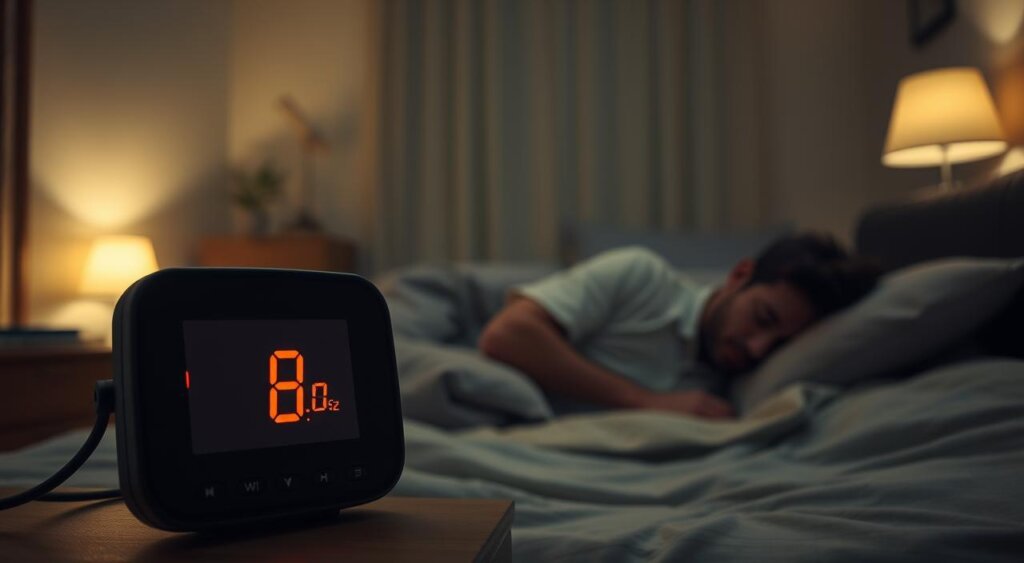
Every time you exhale, you release carbon dioxide. In a closed bedroom, especially with one or more people inside, CO2 levels can build up quickly.
Without adequate ventilation, your room may become stuffy and oxygen-deprived—impacting your ability to fall and stay asleep.
How CO2 Affects Your Brain at Night
High CO2 levels can:
- Cause micro-awakenings during deep sleep.
- Trigger mild oxygen deprivation.
- Make you feel more fatigued the next morning.
- Increase risk for sleep apnea symptoms.
✅ Solution: Crack open a window or invest in a heat recovery ventilation system to keep airflow consistent throughout the night.
Temperature and Humidity: The Sleep Environment Formula
Ideal Bedroom Temperature
Experts recommend 16°C to 18°C (60–65°F) for the best sleep. Too hot or too cold can interfere with sleep cycles.
| Temperature (°C) | Sleep Impact |
|---|---|
| Below 12°C | Disrupts sleep onset |
| 16–18°C | Ideal for sleep |
| Above 24°C | Causes restlessness |
Best Humidity Levels
Relative humidity between 30–50% is ideal.
- High humidity ➝ Increases mould and dust mites.
- Low humidity ➝ Causes dry skin, irritated throat, and worsened asthma.
Use a humidifier in winter and dehumidifier in summer to keep your bedroom comfortable all year round.
The Hidden Impact of VOCs (Volatile Organic Compounds)
VOCs are chemical gases that evaporate from common household items. They’re invisible, but they’re potent enough to disrupt sleep and affect your health.
Where VOCs Come From
- New mattresses or pillows
- Paint and wood finishes
- Scented candles, room sprays
- Cleaning products and air fresheners
| VOC | Found In | Health Risk |
|---|---|---|
| Formaldehyde | Mattress foams, glues | Respiratory issues, cancer |
| Benzene | Plastics, paints | Neurological effects |
| Acetaldehyde | Adhesives, synthetic bedding | Asthma, headaches |
Reducing VOCs is especially important in bedrooms, where we spend long, uninterrupted hours breathing indoor air.
How to Improve Bedroom Air Quality
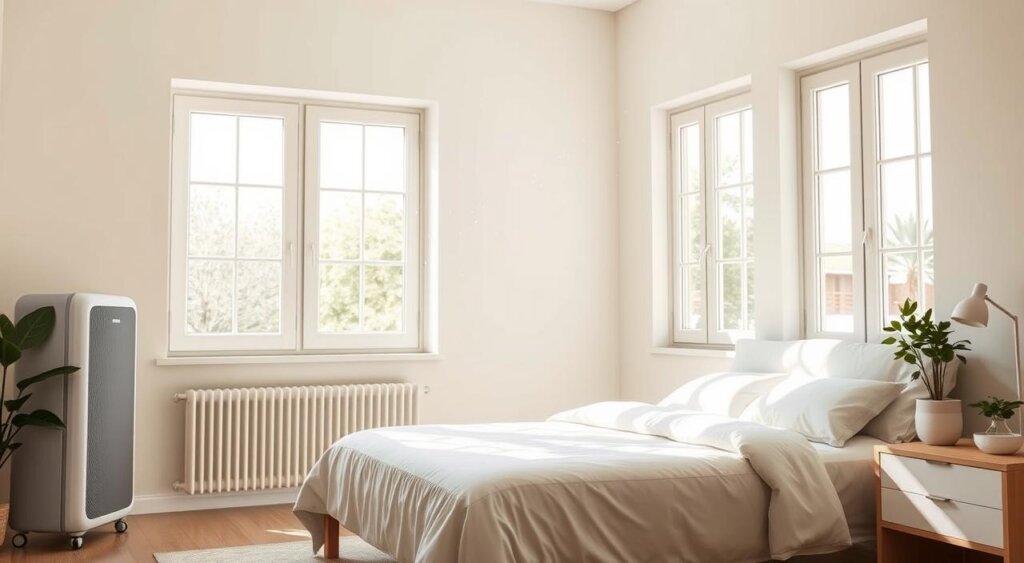
You don’t need expensive equipment to start improving the air you breathe at night. Try these practical and affordable strategies:
1. Ventilation
- Open windows for 10–20 minutes every morning and evening.
- Use trickle vents or install a ventilation system with filters.
- Avoid blocking air vents or placing furniture against walls.
2. Air Purifiers & Quality Monitors
Look for purifiers with HEPA + carbon filters. These remove dust, pet dander, and VOCs. Air quality monitors like Airthings track CO2, VOCs, temperature, and humidity.
3. Choose Low-Emission Materials
- Opt for low-VOC furniture and organic bedding.
- Let new furniture “off-gas” outdoors before placing it in the bedroom.
- Switch to non-toxic cleaning products and natural air fresheners.
4. Consistent Cleaning
- Vacuum carpets weekly with a HEPA filter vacuum.
- Wash sheets and pillowcases weekly in hot water.
- Dust regularly, especially under the bed and behind furniture.
Conclusion: Clear Air, Clear Mind, Better Sleep
Your bedroom should be a place of peace—and it starts with clean air.
By improving air quality, you can:
- Fall asleep faster
- Stay asleep longer
- Wake up feeling truly rested
- Protect yourself from long-term health risks
From reducing CO2 buildup to avoiding VOC exposure, small adjustments can make a big difference. With simple, low-cost actions, your room can become a healthy, restful sanctuary.





 call now