Mattress maintenance tips are essential for keeping your bed fresh, supportive, and long-lasting. A clean and well-cared-for mattress not only promotes better sleep but also reduces allergens and odours. Over time, mattresses accumulate dead skin cells, dust mites, and stains—all of which can impact your health and sleep quality. With a few simple routines, you can significantly extend the life of your mattress while improving hygiene and comfort.

Key Takeaways
- Mattress care helps prevent dust, allergens, and odours.
- A proper cleaning routine extends the mattress lifespan.
- Mattress protectors and the right frame can prevent structural damage.
- Rotating or flipping your mattress avoids uneven wear.
- A clean, well-maintained mattress enhances sleep quality.
Know Your Mattress: The First Step in Mattress Maintenance
Understanding what type of mattress you have is crucial. Memory foam, innerspring, latex, and hybrid mattresses each require tailored care techniques.
| Mattress Type | Recommended Care |
|---|---|
| Memory Foam | Rotate every 3 months to prevent sagging. |
| Innerspring | Flip and rotate for even wear. |
| Latex | Rotate regularly; avoid moisture exposure. |
| Hybrid | Follow a blend of foam and spring care. |
Tip: Always check the manufacturer’s recommendations, as some modern mattresses are single-sided.
Why Mattress Maintenance Matters
Sleep quality is directly linked to the condition of your mattress. A neglected bed can lose support, become uncomfortable, and trigger allergies. Regular maintenance can:
- Prolong comfort and firmness
- Improve hygiene and reduce respiratory issues
- Delay the need for costly replacements
Easy and Effective Mattress Maintenance Tips

1. Use a Mattress Protector
A breathable, waterproof mattress protector shields against dust mites, sweat, spills, and allergens. It’s one of the simplest ways to preserve cleanliness.
2. Add a Quality Mattress Topper
Toppers add a comfort layer while absorbing some wear. They also protect the mattress surface from body weight pressure.
3. Choose the Right Support Base
Ensure your mattress sits on a suitable bed frame with slats no more than 70mm apart. A mismatched frame can cause premature sagging or void warranties.
National Bed Federation – Mattress Buying Guide
4. Stick to a Cleaning Routine
Regular cleaning prevents the buildup of skin flakes, dust, and allergens:
| Task | Frequency |
|---|---|
| Wash sheets & pillowcases | Every 1–2 weeks |
| Clean pillows & duvets | Every 2 months |
| Vacuum mattress surface | Monthly |
| Deep clean stains | As needed |
How to Clean a Mattress Step-by-Step
Supplies Needed:
- Bucket with lukewarm soapy water
- Soft cloth and soft-bristle brush
- Vacuum with upholstery tool
- Optional: Baking soda for odours
Cleaning Process:
- Remove all bedding and wash at 60°C if possible.
- Gently vacuum the mattress top and sides.
- Spot-clean stains by dabbing (not scrubbing) with soapy water.
- Sprinkle baking soda for odour absorption, then vacuum after a few hours.
- Let the mattress dry completely with good ventilation before replacing bedding.
Managing Stains the Right Way
- Body Fluids: Dab gently with soap and water.
- Food Spills: Use a mild cleaning agent and blot the area.
- Odours: Apply baking soda, let sit, and vacuum it up.
Avoid: Soaking the mattress or using strong chemicals, which can damage the material and lead to mould.
Rotate and Flip for Even Wear
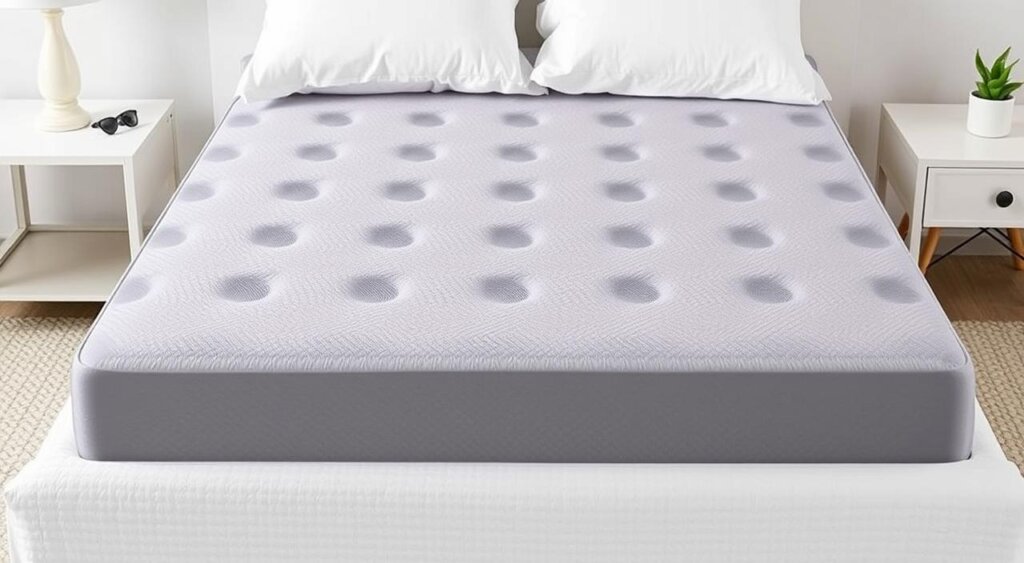
Keeping your mattress in top condition also requires occasional repositioning:
Rotation vs. Flipping
- Single-sided mattresses: Rotate head-to-foot every 3 months.
- Double-sided mattresses: Rotate and flip every 3 months.
| Mattress Age | Action | Frequency |
|---|---|---|
| First 3 months | Rotate or flip | Every 2–4 weeks |
| After 3 months | Rotate (and flip if dual) | Every 3 months |
Tip: Set calendar reminders to stay consistent.
Spotting Warning Signs Early
Even with excellent care, mattresses eventually wear out. Watch for:
- Sagging or body impressions
- Creaks or popping noises
- Waking up with aches and discomfort
- Increased allergy symptoms
When these signs appear, it might be time to learn when it’s time to replace your mattress.
Setting Up a New Mattress Properly
Correct setup ensures a long mattress life from day one.
Unpacking and Ventilation
- Place the mattress on the frame and remove all packaging.
- Allow it to breathe and expand for 4–6 hours before use.
- Open windows for ventilation, especially with foam mattresses.
During the Break-In Period
- Expect firmness initially—materials need time to adapt.
- Allow at least 2 weeks before judging comfort.
- Rotate it more frequently in the first few months.
Common Mattress Mistakes to Avoid
- Skipping the protector: Leaves the mattress vulnerable to dirt.
- Improper support base: Causes sagging and invalidates warranties.
- Delaying stain treatment: Leads to stubborn odours and mould.
- Ignoring off-gassing: Let foam mattresses ventilate before first use.
Conclusion: Invest in Your Sleep by Caring for Your Mattress
Mattress maintenance isn’t complicated—it just takes consistency. From using the right protector and cleaning it monthly, to rotating regularly and spotting early signs of wear, these small efforts lead to big results.
A clean, well-supported, rotated mattress not only promotes better sleep but also saves money by delaying replacement. Your mattress can easily last 8–10 years or more with the right care.
So take these mattress maintenance tips to heart—and enjoy a better, healthier night’s sleep. When your mattress shows signs of wear, such as sagging or discomfort, it’s time to consider replacing it. If so, follow this helpful guide to prepare your mattress for removal.
[/fusion_text][/fusion_builder_column][/fusion_builder_row][/fusion_builder_container]





 call now