Old sheets, duvet covers and pillowcases often have useful life left if they are clean and undamaged. Start with a reuse-first mindset: keep items in the home, repurpose them as covers or rags, or pass them on for someone else to use.
If donation is an option, many charities accept washed, good-condition bedding. Think of The Salvation Army, Oxfam, British Red Cross, Crisis, Shelter or animal charities such as the RSPCA and Dogs Trust. Online giveaways like Gumtree, Freecycle and Facebook Marketplace also help items find a new home.
When textiles are worn, recycling turns fabric into insulation, felt or stuffing. Local textile banks, council collection points and services listed on Recycle Now or Drop Point can help. Acceptance rules vary, so check each organisation before you drop off or book a collection to avoid wasted trips. This article will give a quick decision guide and UK examples so you can act straight away.
Key Takeaways
- Choose reuse first: keep or repurpose clean, usable items to extend product life.
- Donate to charities and homeless groups if bedding is in good condition.
- Worn textiles can go to textile banks for recycling into insulation and stuffing.
- Check acceptance rules with charities and your council before drop-off or collection.
- Use online giveaways or animal charities to find new homes quickly.
Check your bedding first: condition, cleanliness and what it’s made of
Start by checking each piece for tears, stains and odours before you decide its next use. A quick pre-check saves time: wash, dry fully and sort items into two piles — donate-quality and recycle/repurpose.
Wash and sort: what charities and shelters typically require
Most donations need to be freshly washed, completely dry and free from mould or heavy staining. Some charities and shelters accept only new or unused goods for hygiene reasons, so check each charity’s guidance first.
Know the difference: stuffed items vs non-stuffed bed linen
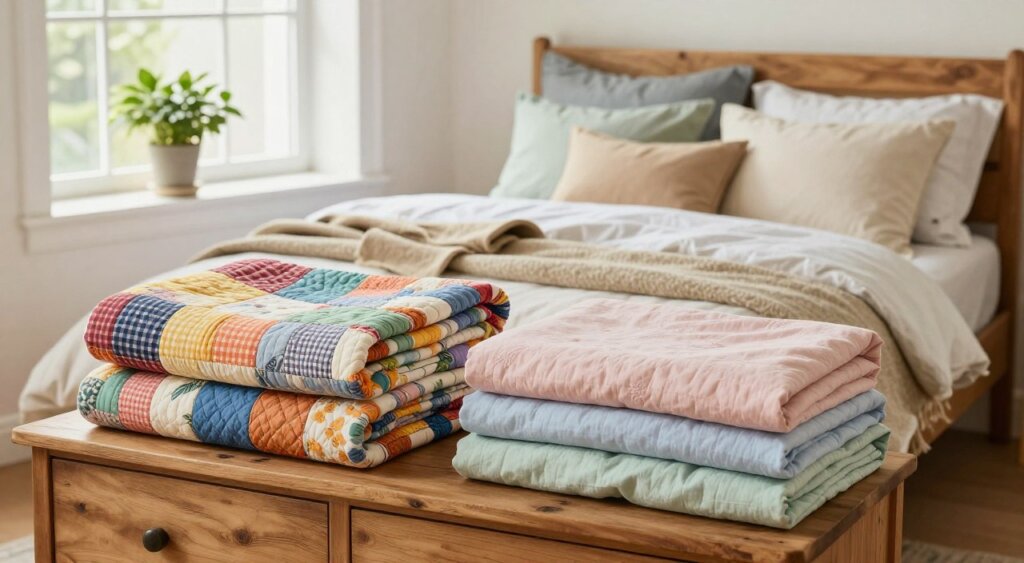
There is an important difference here. Non-stuffed items such as sheets, duvet covers, pillowcases, blankets and cushion covers are often accepted at textile points and CRCs in places like Surrey.
Stuffed items — duvets, pillows and cushions — are harder to process and may not be accepted at the same points. These may need disposal unless an animal charity can reuse them.
Quick decision guide: reuse, donate, recycle or dispose
- Reuse at home if clean but not donation-ready.
- Donate if items are clean, undamaged and meet charity rules.
- Use textile points for worn but dry, clean linen.
- Dispose as rubbish only when no local option exists, especially for stuffed items.
| Type | Examples | Typical route |
|---|---|---|
| Non-stuffed | sheets, duvet covers, pillowcases | Textile points / donate |
| Stuffed | duvets, pillows, cushions | Charity reuse (animal) or disposal |
Reuse old sheets, duvet covers and pillowcases at home
A little time and basic sewing can extend the life of old sheets and turn them into useful items around the home. Small changes give immediate value and cut waste without much effort.
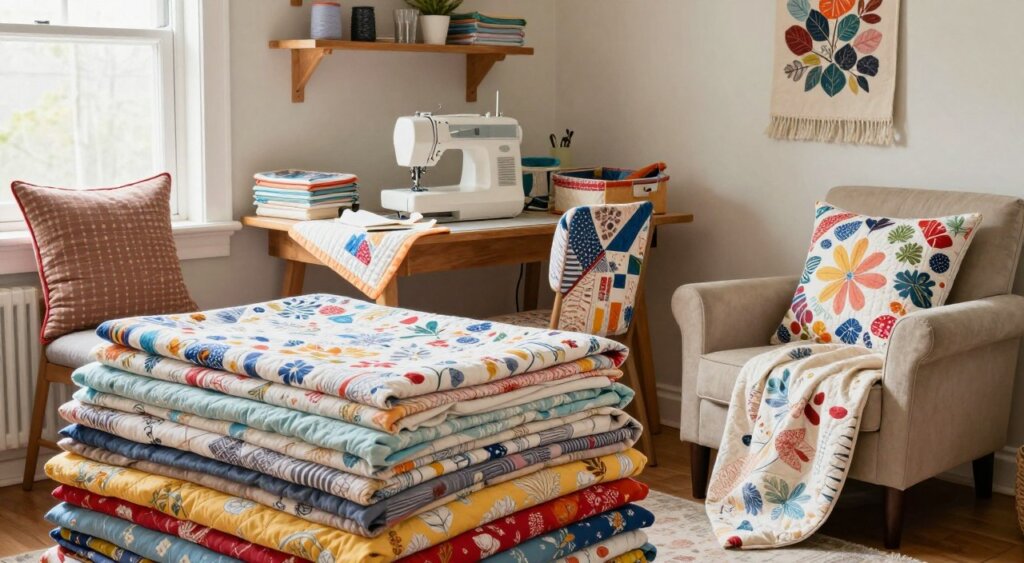
Easy everyday reuses
Cut worn sheets into cleaning cloths for dusting, polishing and spills. Keep a labelled box so cloths are ready for messy jobs.
Use larger pieces as dust sheets when decorating or as furniture covers during DIY. Turn a duvet cover into a quick picnic blanket or table cover for outdoor meals.
Upcycling ideas
If you sew, make simple cushion covers, lightweight curtains or reusable fabric gift wrap in a furoshiki style. Hem rough edges to stop fraying and wash items before use.
Old pillowcases make handy laundry or delicates bags, while towels and small squares work well as polishing cloths or craft rags.
Pet-friendly reuses
Fold blankets and covers into a washable pet bed or line a crate with layered towels for warmth. Cleaned duvet or pillow filling can be used to top cushions, draught excluders or soft toys for pets.
Where to donate bedding in the UK (and what each place accepts)
Clean, dry linen in good condition often finds a new life through local charities and community groups. Below are practical routes and what each accepts so your items help others quickly.
Charity shops and second‑hand stores
If bed linen is in good condition, many charity shops will accept sheets, pillowcases and duvet covers. Check with The Salvation Army, Oxfam or the British Red Cross first, as some branches limit what they take for storage or hygiene reasons.
Homeless shelters and housing support groups
Shelters and housing projects often need blankets, duvets and pillows, especially in colder months. Use Homeless Link or Homeless.org to find local partners and confirm current needs before you drop off or arrange a collection.
Animal charities and local shelters
Animal centres like the RSPCA, Dogs Trust and the National Animal Welfare Trust often accept towels, blankets and duvets for pet bedding. Rules vary by site, so phone or email first to check what they can take.
Online giveaways and community options
For quick rehoming, list free items on Gumtree, Freecycle or Facebook Marketplace. Local neighbourhood or WhatsApp groups can also match donors with people who can collect immediately.
Donation do’s and don’ts
- Do wash and fully dry items, and bag them neatly with a label.
- Don’t offer damp, heavily soiled or badly torn pieces.
- Do check each shop or shelter’s acceptance rules—some only take new or unopened goods.
| Route | Typical items accepted | Top tip |
|---|---|---|
| Charity shop | Sheets, duvet covers, pillowcases | Ring ahead; branches differ |
| Shelter | Blankets, duvets, pillows | Use Homeless Link to check needs |
| Animal centre | Towels, blankets, duvets | Confirm with the site before dropping off |
How to recycle bedding UK: textile recycling, local collection and drop-off options
Sorting what you have into non-stuffed and stuffed pieces makes the next step straightforward.
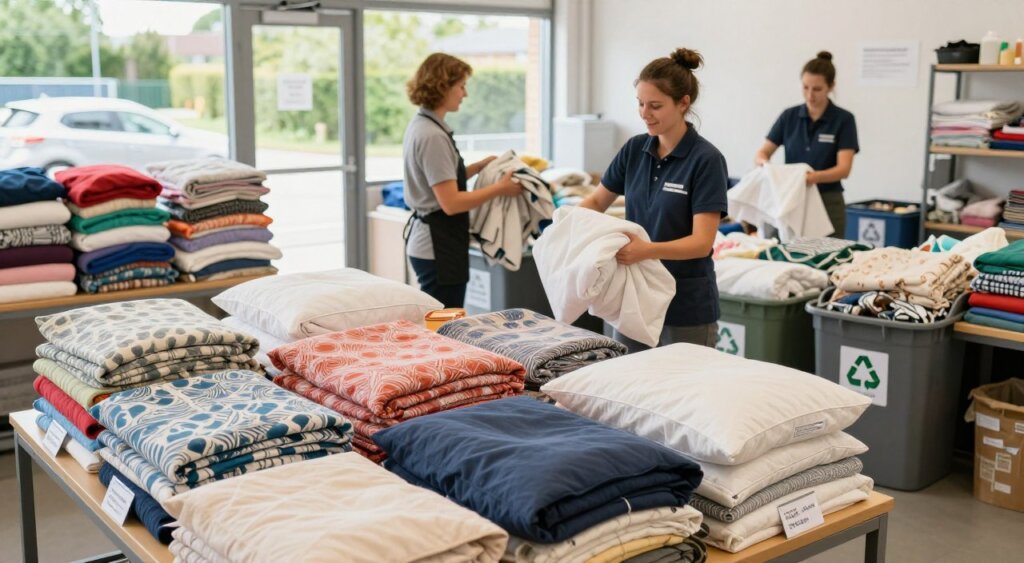
Find a textile recycling point near you
Use Recycle Now, London Recycles or Drop Point to locate nearby textile collection points. Many accept sheets, covers, blankets and towels, but profiles vary, so check each listing first.
Use your local recycling centre services
Before you travel, phone your CRC and ask: do they accept linen, must items be bagged, are duvets or pillows taken, and are permits or opening hours needed?
Council-specific guidance (Surrey example)
In Surrey non-stuffed items can go to all Community Recycling Centres. Some districts allow sealed, labelled bags left by bins on collection day.
Free doorstep pickup can be available via Anglo Doorstep Collections and some areas use Biffa for scheduled collections.
What happens after collection
Collected textiles are sorted. Reusable pieces may be passed on. Remaining material can be processed into insulation, felt, stuffing or shredded into fibres and yarn.
When recycling isn’t possible and natural options
If duvets, pillows or cushions cannot be accepted, check animal charities first. If no reuse route exists, take items to your CRC or use household waste where required.
For clean natural fibres (cotton, linen, wool, feathers) consider composting small, cut pieces only — avoid synthetic mixes.
| Route | Typical items | Top tip |
|---|---|---|
| Textile banks / Drop Point | Sheets, covers, towels | Check accepted materials online |
| CRC / council collection | Linen, blankets | Ask about bagging and permits |
| Animal charities | Duvets, pillows, cushions | Phone ahead to confirm needs |
Conclusion
A short check and a quick decision can stop usable bed items from languishing in a cupboard. Inspect each piece, then follow the simple ladder: reuse at home, offer for donations, use local textile points, or dispose if no option exists.
Keeping clean bedding and covers in use extends their life and cuts waste. Remember hygiene rules, differing shop and charity acceptance, and the stuffed vs non‑stuffed split that affects local processing.
Before you act, do a quick online check or call to confirm acceptance for drop‑off or collection on your chosen day. Pick one route today — set aside a donation bag, list usable items for free pickup, or find a nearby drop‑off — and give these pieces a useful life.





 call now